
.png)
Struggling to keep leads interested after the first contact? You’re not alone. Most leads aren’t ready to buy right away, and it’s easy to lose them before they ever become customers.
That’s why lead nurturing matters. It’s not just about collecting names or emails. It’s about building real connections so people remember your brand and trust you when they’re ready to make a decision.
In this guide, you’ll get a step-by-step approach to lead nurturing that actually works. We’ll cover key concepts, proven strategies, new trends, and simple tools to help you keep leads engaged and moving forward.
Let’s walk through the latest strategies and tips to help you make it happen.
What Is Lead Nurturing and Why Does It Matter?
Picture this: You connect with a new lead, but they're not ready to make a purchase yet. What happens next? That's where lead nurturing comes in. It's the process of keeping a conversation going with people who aren't ready to buy right away.
Research shows that around 70% of leads aren't qualified when first contacted. That means most of the people you reach out to need more information, trust, and time before making a decision. Lead nurturing helps you earn that trust and keeps your brand in their mind until they're ready.
Why is this important? If you ignore leads who aren’t ready, you risk losing them to a competitor. In fact, about 80% of leads who aren’t ready now will eventually buy from someone else. By nurturing these relationships, you can shorten your sales cycle and see more leads convert.
Here's how lead nurturing works in practice:
- Send targeted content based on where someone is in their decision process.
- Use educational resources like webinars or case studies to answer their questions.
- Follow up with leads who download a guide or request a quote.
- Personalize your communication to show you understand their challenges.
Lead nurturing isn’t just for new prospects. It’s also key for onboarding new customers and helping existing clients get more value from your service. For example, sending a helpful onboarding series can turn a first-time buyer into a loyal customer.
If you’re looking for proven steps and advanced strategies, check out these Lead Nurturing Best Practices. This resource explores real-world approaches for moving leads smoothly through every stage.
When you focus on lead nurturing, you build relationships, move leads forward, and set your team up for long-term success.

The Five Key Steps of an Effective Lead Nurturing Program
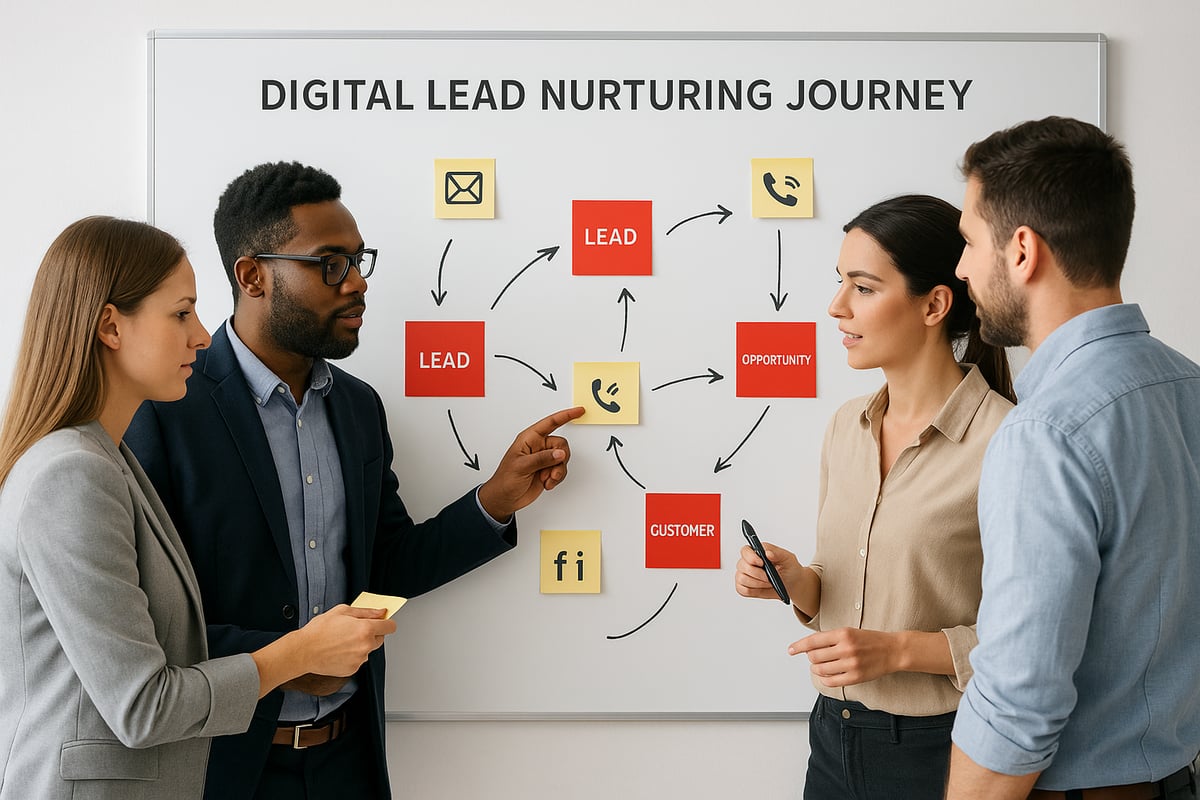
Turning leads into customers is not a guessing game. A strong lead nurturing process gives you a clear path from first contact to a signed deal. Each step builds trust and keeps your leads moving forward, not stuck in limbo. Here’s how to structure your program so nothing falls through the cracks.
1. Understand Your Buyer
Start by building detailed profiles of your ideal buyers. You’ll want to know their roles, pain points, and what keeps them up at night.
Interview current customers and even lost prospects to get real insights. Create segments like decision-makers and end-users, since each group needs different messages.
- List common challenges for each persona.
- Map out their usual research and buying habits.
- Identify what information they seek at each stage.
This groundwork ensures your lead nurturing feels personal, not generic.
2. Pinpoint Motivations and Triggers
Dig into your past campaigns to spot what actually moves leads closer to a sale. Look for patterns in what content or offers get traction.
Use your data to answer questions like:
- Which emails result in demo requests?
- What blog posts get shared most often?
- Are there certain offers that always get clicks?
Tracking these triggers helps you send the right message at the perfect moment, making your lead nurturing more effective.
3. Design the Ideal User Experience
Map out every step a lead takes, from first interaction to purchase. Personalize each touchpoint based on behavior and preferences.
For example:
- If someone downloads a whitepaper, follow up with a case study.
- If they request a quote, shift to pricing and ROI content.
- Use different channels for different actions, like email for education and phone for questions.
A thoughtful user journey keeps your lead nurturing relevant and engaging.
4. Plan Your Nurturing Flow and Content
Decide how and when you’ll reach out. Build a simple plan, such as six emails and three calls over eight weeks, each with a clear goal.
Outline content for every stage:
- Awareness: Educational blog posts or industry updates.
- Consideration: Webinars, case studies, product comparisons.
- Decision: Demos, testimonials, special offers.
Mix channels to keep things interesting. A well-timed call or social message can make your lead nurturing stand out.
5. Automate and Measure
Use automation tools to send timely, relevant messages without manual effort. Track open rates, click-throughs, and how leads move through your funnel.
Set up behavioral triggers for actions like downloads or event registrations. Adjust your lead nurturing based on what’s working and what’s falling flat.
For a deeper dive into automation, check out Email marketing automation basics. The right mix of automation and measurement keeps your program sharp and scalable.
Lead Nurturing Best Practices and Real-World Examples
Getting lead nurturing right is all about small, smart steps. You don't need to build a huge program overnight. Start by focusing on a single segment or campaign, learn what works, then expand.
Here are some best practices to help you build a strong lead nurturing process:
- Personalize every message. Use the recipient's name, company, or industry to make your outreach feel genuine.
- Collect data over time. With progressive profiling, you can ask for just a little more information with each interaction, instead of overwhelming leads up front.
- Keep your content relevant. Only share what matters to your lead's current stage, so you're always helping, never spamming.
A practical lead nurturing sequence might look like this:
- A lead downloads a whitepaper on your site.
- You follow up with a case study that matches their industry.
- If they engage, you invite them to a live demo or webinar.
- If not, you set a gentle reminder for a re-engagement email a week later.
Automation is your friend, but it shouldn't replace the human touch. Set up triggers for key moments: welcome emails for new leads, re-engagement campaigns for those who haven't responded, and follow-ups for lost opportunities.
Don't overthink design. Simple, text-based emails often get more replies than flashy graphics. The goal is to start a conversation, not just impress with visuals.
Measuring your lead nurturing success is key. Track open rates, clicks, and whether leads move to the next sales stage. According to recent lead nurturing statistics, nurtured leads can create 20 percent more sales opportunities compared to those left on their own.
Regularly review your lead nurturing efforts. Check what's working, what isn't, and tweak your approach. Even small changes—like adjusting the timing of an email or the subject line—can make a big difference.
Lead nurturing should always feel personal, helpful, and timely. If you keep that in mind, you'll see more leads stick around and move forward.

Advanced Lead Nurturing Strategies for Modern Teams
Finding the right balance between automation and a personal touch is what sets advanced lead nurturing apart. You want every lead to feel seen, not just processed by a machine. Here’s how modern teams are taking lead nurturing to the next level—without losing the human connection.

Blending Automation With a Human Touch
Start by automating routine touchpoints, like welcome emails or follow-ups after a webinar. This keeps leads engaged even when your team’s busy. But don’t stop there.
Add a human element by:
- Scheduling calls when a lead takes key actions
- Sending personalized LinkedIn messages after specific milestones
- Following up with handwritten notes or quick video check-ins
Regularly review which interactions work best automated, and which ones need a real person. Many teams use a CRM for lead management to make sure nothing slips through the cracks.
Personalization and Behavioral Triggers
Not all leads move at the same speed. Smart lead nurturing uses behavioral triggers to shift leads into new tracks when they’re ready.
For example:
- If a lead downloads a case study, automatically enroll them in a sequence that answers typical follow-up questions
- When someone attends a product demo, trigger a one-on-one call invite from a sales rep
Tools can help you spot when a lead is warming up or cooling off. For even more ideas, explore AI-Powered Lead Nurturing Strategies to see how AI can make your nurturing even smarter.
Nurturing Existing Customers
Lead nurturing doesn’t end after the first sale. Modern teams use segmented nurturing for customers at every stage.
Try these approaches:
- Automated onboarding emails for new users
- Product tips and adoption campaigns for customers who haven’t engaged recently
- Timely renewal reminders spaced out over months
Segmenting your list means each contact gets messages that fit where they are right now, so they don’t tune you out.
Data Hygiene and CRM Empowerment
A healthy database keeps lead nurturing effective. Audit your lists often. Remove contacts who aren’t engaging. When leads enter the decision phase, pause their nurturing to let sales do their thing. If a deal falls through, put them back into a relevant sequence.
Empower your sales team to add or remove leads from nurturing right from the CRM. This flexibility helps you respond quickly to changes and makes lead nurturing a team effort.
Essential Tools and Technologies for Lead Nurturing Success
Choosing the right tools makes lead nurturing simpler and more effective. With so many options, it can be tough to know where to start. Let’s break down what you actually need for a strong lead nurturing setup.
Core Tools for Lead Nurturing
| Tool Type | What It Does | Example Use Case |
|---|---|---|
| CRM | Stores and tracks every lead interaction | Sales call notes, email tracking |
| Marketing Automation | Sends personalized emails, schedules follow-ups | Welcome sequences, drip campaigns |
| Analytics Dashboard | Measures engagement and conversion rates | Open/click rates, sales pipeline |
| Multi-Channel Connectors | Links email, calls, webinars, and social messages | Cross-platform outreach |
| Profiling Tools | Gathers more info with each touchpoint | Progressive forms, surveys |
A CRM for lead management is the backbone of any lead nurturing program. It helps your team see every email, call, and note in one place. This makes it easy to hand off leads from marketing to sales, or to set reminders for timely follow-ups.
Must-Have Features:
- Automated email and SMS campaigns
- Task reminders for sales reps
- Progressive profiling to learn more about each lead over time
- Multi-channel messaging, so you can reach leads how they prefer
Set up workflows that trigger messages after a webinar signup or event attendance. For example, when a lead registers for your webinar, your automation tool can send a thank you email, then schedule a follow-up call a few days later.
Don’t forget analytics. Dashboards show which messages get opened and which leads are moving forward. This helps you adjust your lead nurturing strategy in real time.
Pick tools that match your team’s size and budget. You don’t need every bell and whistle—just what will help move leads along. Review your setup every few months, so your lead nurturing program keeps getting better.
FAQs About Lead Nurturing
Curious about lead nurturing? Here are answers to common questions, so you can build a stronger program and get results.
What’s the difference between lead nurturing and lead generation?
Lead generation gets contacts, while lead nurturing builds relationships and moves leads toward buying.How often should I contact leads during a nurturing campaign?
Aim for every 1-2 weeks, but adjust based on engagement and where leads are in the journey.What types of content work best for nurturing leads?
Send educational emails, case studies, webinars, or product demos at the right moment.How do I know if my nurturing program is working?
Track open rates, replies, conversions, and movement through your sales stages to measure impact.Can small businesses benefit from lead nurturing, or is it just for large companies?
Yes, even small teams can use growth systems for small businesses to nurture and convert leads efficiently.What’s the best way to re-engage cold or inactive leads?
Try a personal message, special offer, or automated sequence to reconnect and restart the conversation.How can I align sales and marketing teams in the nurturing process?
Share data, set shared goals, and use a CRM so everyone sees lead status and next steps.Do I need expensive software to start nurturing leads?
No, you can start small with email and a basic CRM, then scale up as your lead nurturing grows.How do I avoid overwhelming leads with too many messages?
Space out communications, monitor responses, and always make messages relevant to the lead’s needs.What’s the most common mistake companies make with lead nurturing?
Sending generic emails or ignoring timing, which causes leads to lose interest quickly.
You’ve seen how effective lead nurturing can turn interested prospects into loyal clients, especially when the process is streamlined and automated. If you’re ready to put these strategies into action and want to create a seamless experience from first touch to closed deal, why not take the next step? You don’t have to figure it all out alone. We can help you automate the critical steps and save valuable time, so you can focus on building real relationships and growing your business. Let’s start your automation journey together—check out the Start Your Automation Journey With Our Lead to Client Accelerator.
.png)
.png)